December 1, 2013 marks the beginning of my new video game project. The math is simple; I have been working on it for 2 years, precisely. Designing, developing and co-producing… A lot of work has been done, and many more still in progress. All tough tasks. Mostly game design related, such as 3-bit node graph architecture. Plus, a lot of coding…
It has been a busy year, indeed. – So, what’s new?
Workflow 3.0
The most distinguishing element of this project –optimized game development workflow– has been upgraded to version 3. This is something that I’m really proud of. Simply because, it is;
more cost- and time-efficient,
more artwork/cinematography oriented,
100% compatible with bothold & next-gen workflows.
This year, I mostly concentrated on the last item. As we all know, global video game industry is having a hard time trying to make a quantum leap to next-gen video games, as well as keeping the cash flow pumping. Let’s face it, upgrading a business model while doing business is risky! You need to educate developers, reorganize teamwork and improve asset management, while keeping an eye on the ongoing projects and meeting the deadlines. A kind of “make something new, and keep the business running old-fashioned way” situation.
“…using both current and upcoming tools/assets.”
This is exactly where my upgraded workflow comes handy. In simple terms, it is a next-gen game development workflow offering an optimized way of making games for less money/time, using both current and upcoming tools/assets. Because it is backwards compatible, a veteran game development team/company can still use their old-fashioned workflow and make a smooth transition to next-gen video game development process using this workflow.
So far so good, but…
Why on earth is that backward compatibility thing so important? Simply because, when we say “workflow assets”, we are actually speaking about human beings! People with families, children, and responsibilities.
During the last 30 years, I have witnessed the highs and lows of the game development industry. It has always been very harsh on developers on critical occasions. When a “next-big thing” is in, managers start headhunting for next-gen guys. Current developers instantly turn into “old-fashioned guys”, and most of the time get fired. The turnover is so high that most experienced video game developers hate working inhouse for AAA companies. Instead, they prefer freelance business, just like me.
Frankly speaking, I upgraded my workflow to version 3 for a better human resource management. The first 2 versions favoured the management and income aspects of business. Now, the final version concentrates on developers. – Yep, something for my teammates!
We don’t work in a vacuum
Our environment feeds into the work we produce, particularly when that work is creative. Every piece of “thing” in our working environment affects us. What we see, listen, touch, and even smell, stimulates our creativity and in a way gets injected to our piece of work.
My humble home office
So, I made a radical decision. In order to increase my productivity, I decided to split my home office activities into two. Thanks to a painstaking and backaching performance, I moved all my coding/artwork related books, tools and computers from my mom’s house to home. Using some modular equipment from Ikea, I built a custom table wide enough for my desktop monitor and Wacom tablet, and spent a lot of time for cabling and ergonomics. Keeping things tidy, certainly served well. As I promised my beloved wife that I will use less than 2 m² of our living room, I have finally managed to create a wide open space using only 1.98 m². – Oh, that is optimization 😉
Within just a few days, I have realized a positive impact in my productivity. Now, my process is crystal clear. I do all my coding/artwork at home, and music related stuff in mom’s house. And the bonus is, I spend less time in traffic and more with my family.
“Creativity is a gift. It doesn’t come through if the air is cluttered.” – (John Lennon)
More details
Actually, I have so many things to tell you. I really would like to tell more and give you under the hood –technical- details of my upcoming project… I am afraid, I can’t. Until the official announcement, there are things not meant to be known or seen by public. Well, you know, this is how video game business works!
So, I’ll keep you posted whenever I can…
Tonight
Regarding the latest annual update and current status of my new video game project, I’m planning to open a bottle of wine and enjoy rest of the evening with my family. I think I deserved it.
Developing video games is a way of life for me. The day I saw River Raid at a local arcade saloon, I knew I was going to spend rest of my life PUSHing and POPing pixels.
If you have ever wondered how people used to develop games during the 80s, please keep on reading this article. I am proud to present you Les Mémoires of a . . . [ehem] . . . [cough!] – OK, I admit it. As far as 3 decades of game development is concerned, “dinosaur” will be the most appropriate word 🙂
Retro is in the air!
It’s quite easy to bump into retro video gaming nowadays. Thanks to the current trend, I have noticed several books, articles and interviews that my former colleagues showed up. I am really very happy to see that researchers finally started shedding some light on the history of video game development. You can read and learn a lot about who the early game developers were, how they started writing games, which company they worked for, how much money they earned, and even where they used to hang around…
With respect to recently published materials, I have different things to tell you. Humbly being a part of the history both as a gamer and a developer, I have witnessed the glory and gore of game development scene in UK. Without falling into the trap of telling cliché technobabble that readers (you) would like to hear, I will assess pluses and minuses of the industry from a very personal point of view. I’ll concentrate on the essential elements of game development workflow from a retro perspective, and try to give specific examples by showing you original works (including both released and previously unreleased materials) that I produced almost 3 decades ago.
Through exposing my personal workflow, exclusive tips & tricks, and particular game development assets, you’ll hopefully get a glimpse of what it meant to be a game developer in those days, and notice that some things never change even after so many years of technological evolution.
PART I
“Game Design”
Out of nothing
To be honest, game design was the most underrated aspect of video game development during the early 80s. It was the golden age of coding wizardry. In order to come up with new game ideas, developers had to concentrate on squeezing each and every bit of CPU performance by using clever programming tricks. It was a time-consuming process full of trial and errors. Due to limited time and resources, small development teams/companies were naturally more interested in programming, rather than game design. Considering the circumstances, lack of interest in game design was quite acceptable for such an immature industry.
Well-managed video game developers/publishers with good cash flow/sales ratio, like Ultimate, Elite and Ocean (inc. Imagine), were the true pioneers of artwork oriented game design workflow. These companies raised the bar for the entire industry by investing in artwork design. Title screens, menu frames, character designs, level maps and various technical sketches became a part of the production pipeline. These companies proved that spending time/money in game design had more things to offer in return, in addition to multiplied profits;
Well defined story, characters and puzzles
Error-proof production chain
Cost-effective workflow
Reusable artwork for advertising & promotion
Regarding the efforts mentioned above, I literally witnessed the birth of game design in 1985. As a freelancer working for some of the best game development companies in UK, I had the chance of being a part of “the change”. It was inevitable, and somehow very slow. It almost took a few years for the contractors to get rid of asking for quick and dirty jobs. At the end of the transition period, in-house expectations were higher than average. In order to serve and survive, I was forced to sharpen my skills, and supposed to deliver more planned, precise and polished works. In terms of self improvement, it was a turning point in my life!
“For 16-bit game development, game design was more than essential.”
In 1987, the trial and error days of game development were gone. As we shifted from bedroom coding sessions to collaborative teamwork meetings, we were also making a transition from 8-bit to 16-bit. The release of Amiga 500 and Atari ST heralded more complex computer architectures, offering faster CPUs, larger RAMs, and custom chips dedicated to specific tasks. In order to develop better games, we had to take advantage of these custom components. At that point, we realized that programming such complex devices required a more systematic approach, which emphasized the necessity of proper game design and documentation. For 16-bit game development, game design was more than essential.
Simple, but effective!
We used to design games using conventional tools; Pen & Paper. Until modern methods emerged during the mid 90s, 2D/3D computer aided design was not a part of game design process at all. Everything was designed manually.
Due to homebrew spirit of early game development era, teams were limited with only 2-3 developers, excluding hired musicians. As a result of the “minimalist” human resource capacity, either the programmer or one of the graphic artists had to take the responsibility of game design process. Most of the time, the guy with adequate artwork skills was the best candidate for the job.
In the heyday of 8/16-bit game development, I served mostly as an Assembly Language programmer. Besides programming, I used to do game design as well, thanks to my less than average technical drawings skills. It was better than nothing, actually. As a multidisciplinary game developer, I had the luxury of conceptualizing a scene in my mind, then sketching it on a piece of paper, and finally coding it. Regarding productivity and efficiency, it was an uninterrupted workflow. – Frankly speaking, being a “one-man-army” has always been fruitful in terms of creativity, as well as payment.
Pen & Paper
Let’s have a look at how we used to design games using pen & paper only. Here comes some of my drawings from the late 80s…
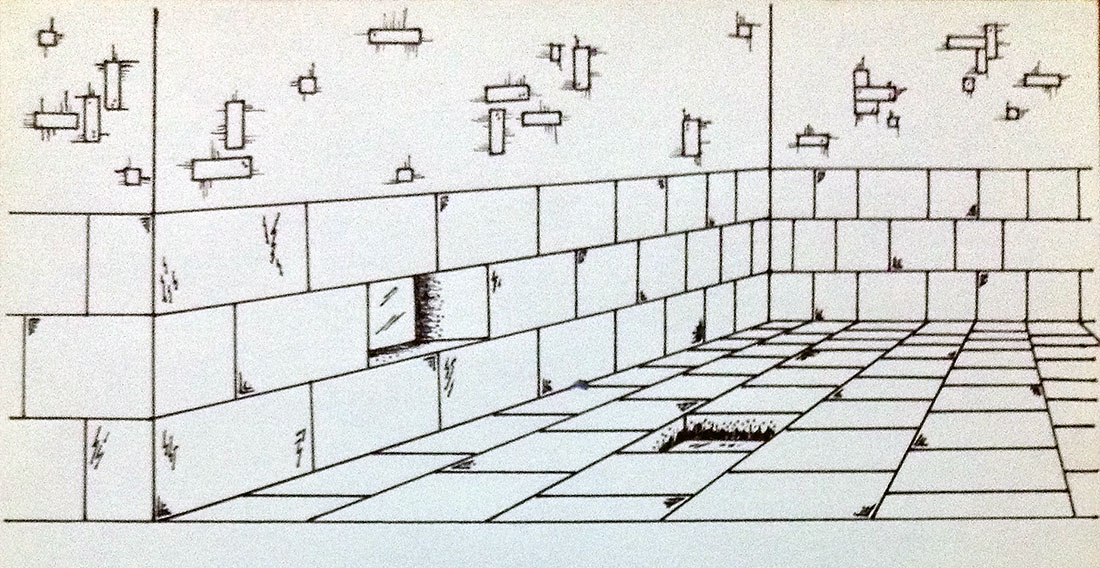
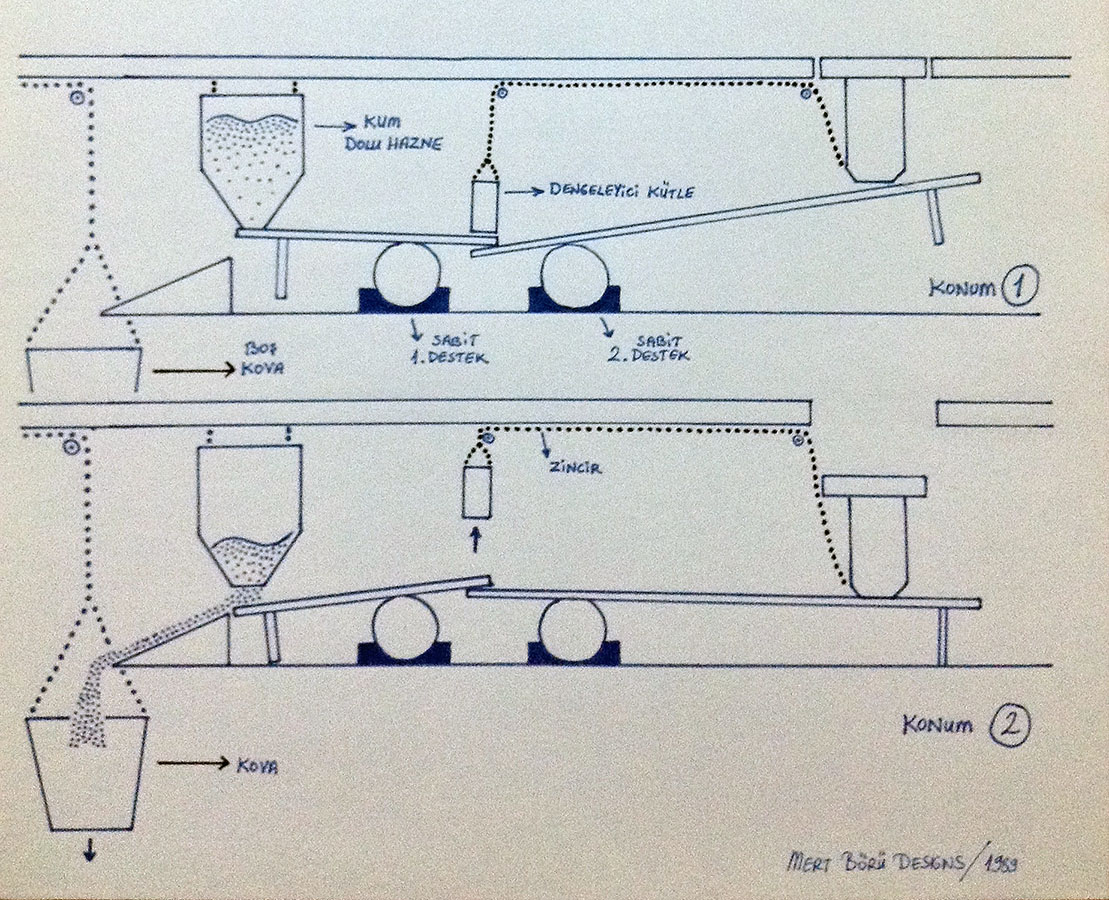
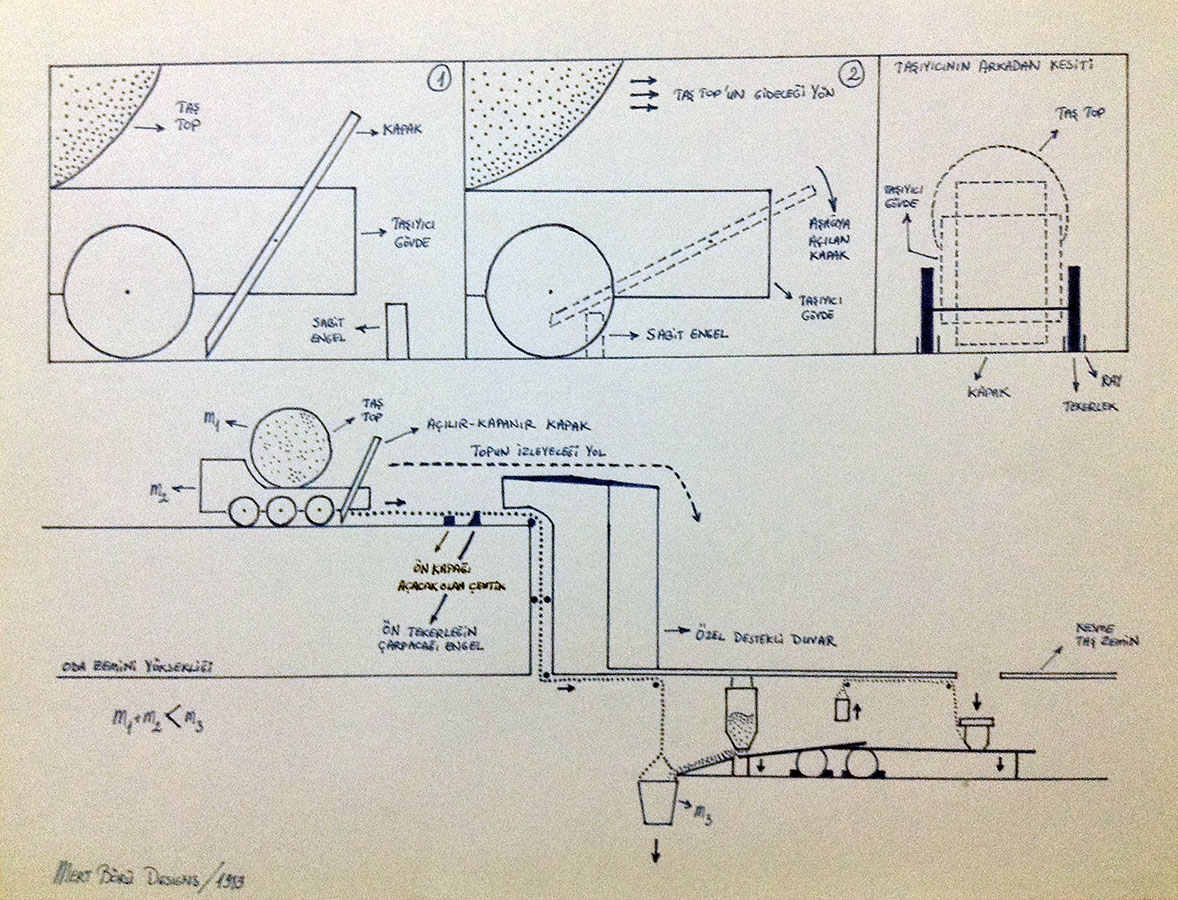
These are the sketches of a physics puzzle for an unreleased Amiga action adventure game that never saw the light of day. It was Spring 1989, when Elite asked me to design & code a puzzle mechanism similar to the one in the opening scene of “Raiders of the Lost Ark” movie. Nothing original in terms of puzzle design, actually. In order to overcome the lack of originality, I decided to concentrate on ‘gameplay mechanics’, and that is simply how I sketched the blueprints below.
Sketch: “Corridor Puzzle” (1989) – A pseudo 3D representation of temple corridor, with moving wall/floor stones in focus.
Sketch “Puzzle Detail” (1989) – A 2D representation of the moving floor stone. Upper graph indicates the idle position, and the lower one shows what happens when you step on it.
Sketch “Puzzle Overview” (1989) – The big picture, including Sketch 2. Stepping on the floor stone triggers a huge rolling stone ball.
By today’s standards, these drawings obviously look childish. However, considering lack of proper game design documentation routine of the 80s, the amount of detail given to such a simple puzzle is quite high. Appraising the mid/late 80s as a transition period for game development industry – (for leaving egocentric habits of homebrew 8-bit game development period behind, and moving on to team based corporate 16-bit projects) – these sketches clearly illustrate the importance that Elite had given to quality & professionalism in game design process during that time.
Since this was the preview of the design, I kept the rough copies in Turkish for myself, and delivered the final version in English to Elite. I no longer have the latest version. – The game was cancelled due to budget shortfall. Something so natural in those days. 😉
Game design goes hand in hand with artwork design. Two different disciplines so close, so related to each other. As a game designer, it was inevitable for me to do artwork as well…
PART II
“Artwork”
Back to the 8-bit days
In the early 80s, I used to draw on semi-transparent graph papers using colour pencils. Working on these glossy, oily and super-smooth graph papers had many advantages.
Assuming each tiny box on the graph paper is a pixel, the workflow was quite creative and self-intuitive. Contrary to sitting in front of a TV set and trying to a paint a pixel on a blurry screen while squeezing my eyes,– (yep, we had no monitors in those days, computers were connected to regular TV sets!) –drawing on a piece paper was more natural for me.
Thanks to semi-transparency of graph papers, it was very easy to copy the image underneath. If the original image had the same size of a graph paper, it was super easy. If not, the original image had to be scaled to graph paper size. As I had no luxury of using a xerox machine in the early 80s, I had to do it manually. It was a painstaking process.
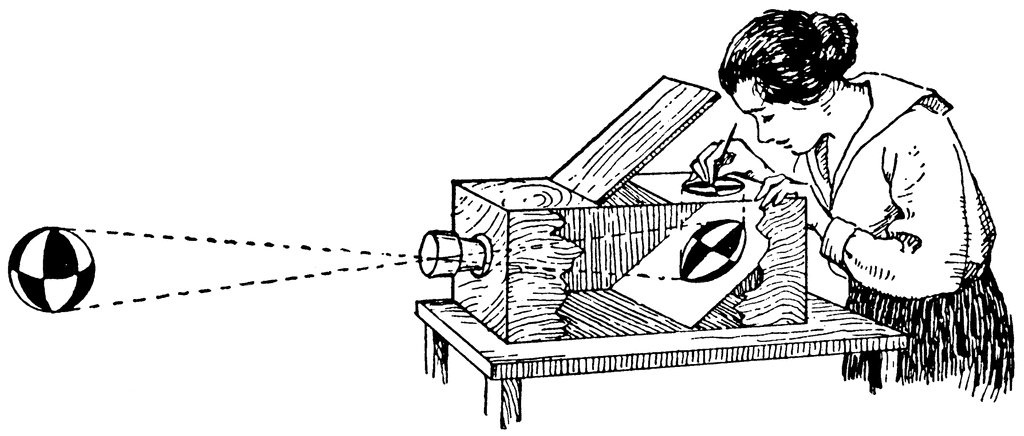
I can clearly recall the day when my dad advised me to use an ancient photography technique… As I was drawing faint reference lines on the original image and manually scaling the image on to the graph paper, he looked at me and said; “Why don’t you place the original image at a distance where you can look at it through the graph paper?” – He helped me building 2 wooden frames with adjustable paper clippers on them, and it worked like a charm! I used this technique for most of the artwork I did for Ocean and Coktel Vision. A few years later, I had a clear conception of the principle; it was camera obscura 🙂
The downside of using graph papers was time consuming paper-to-computer transfer process. I had to paint each pixel one by one. As you can imagine, counting painted boxes on a piece of graph paper and painting the same amount pixels on to the screen of a humble Sinclair ZX Spectrum was quite tough.
This time consuming process was quite simplified when I switched to an attribute (colour) clash free Amstrad CPC 464. I wrote a very simple tool capable of moving a crosshair (cursor) on screen using cursor keys, painting a pixel by pressing Space, and switching to the next colour by pressing Enter. – Simple, but effective.
“Life is really simple, but we insist on making it complicated.” – (Confucius)
Worth a thousand words
In order to capture the essence of the era, let’s have a look at some of my 8-bit sketches from the mid 80s.
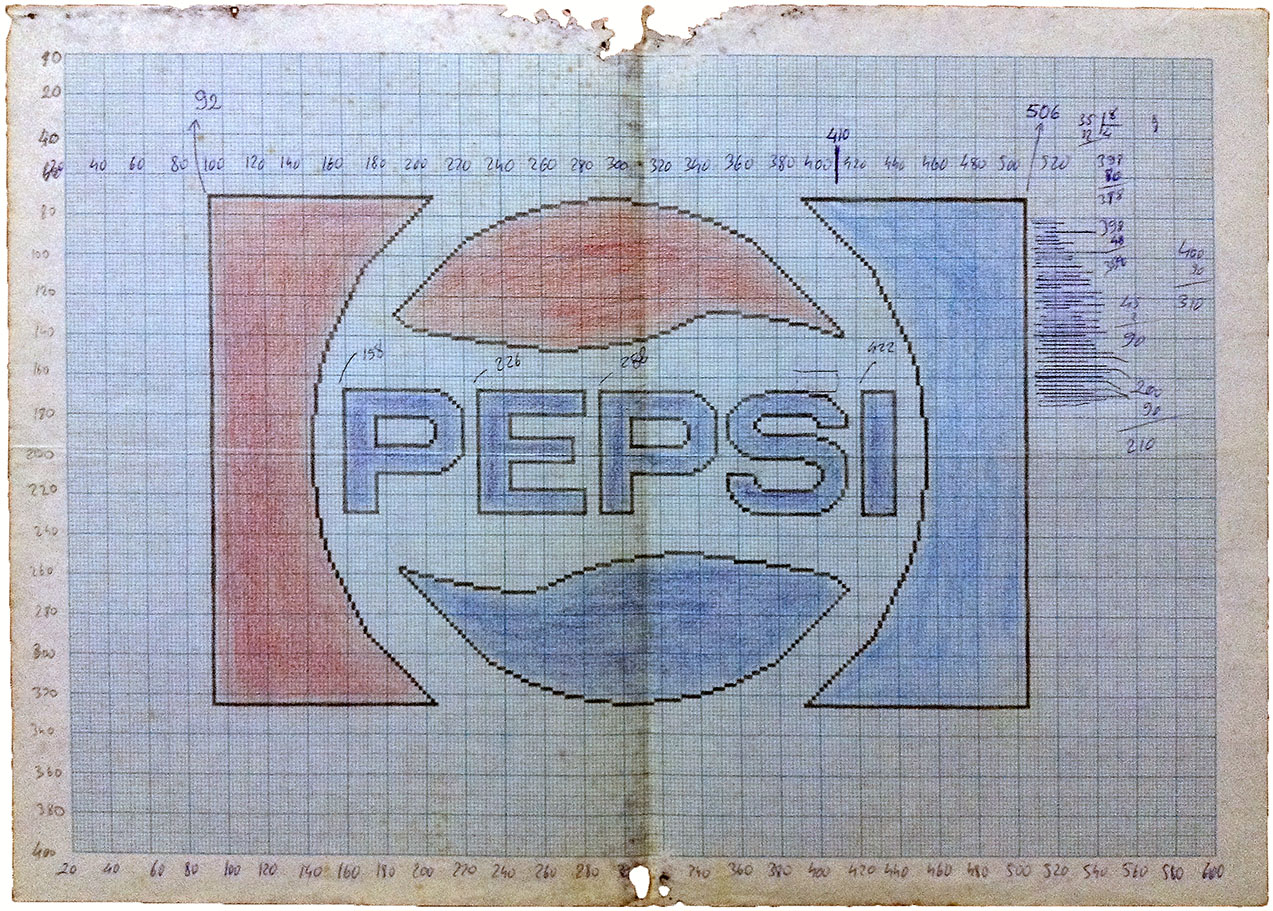
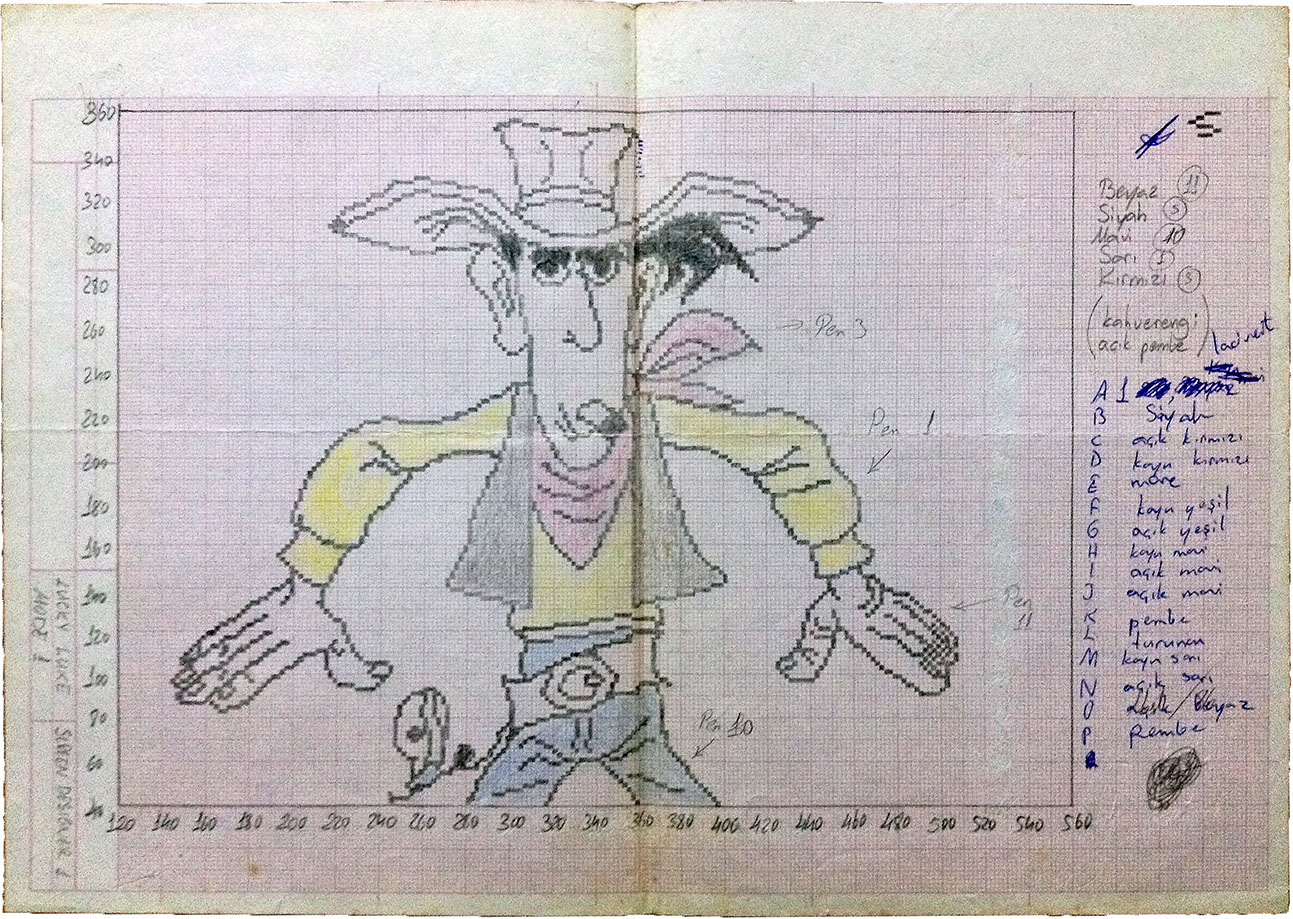
All sketches are drawn on graph papers. In order to simplify the copy/scale method that I mentioned above, I have used black for outlines and various colours as fillers. It was –and still is– a very common technique used by anime artists.
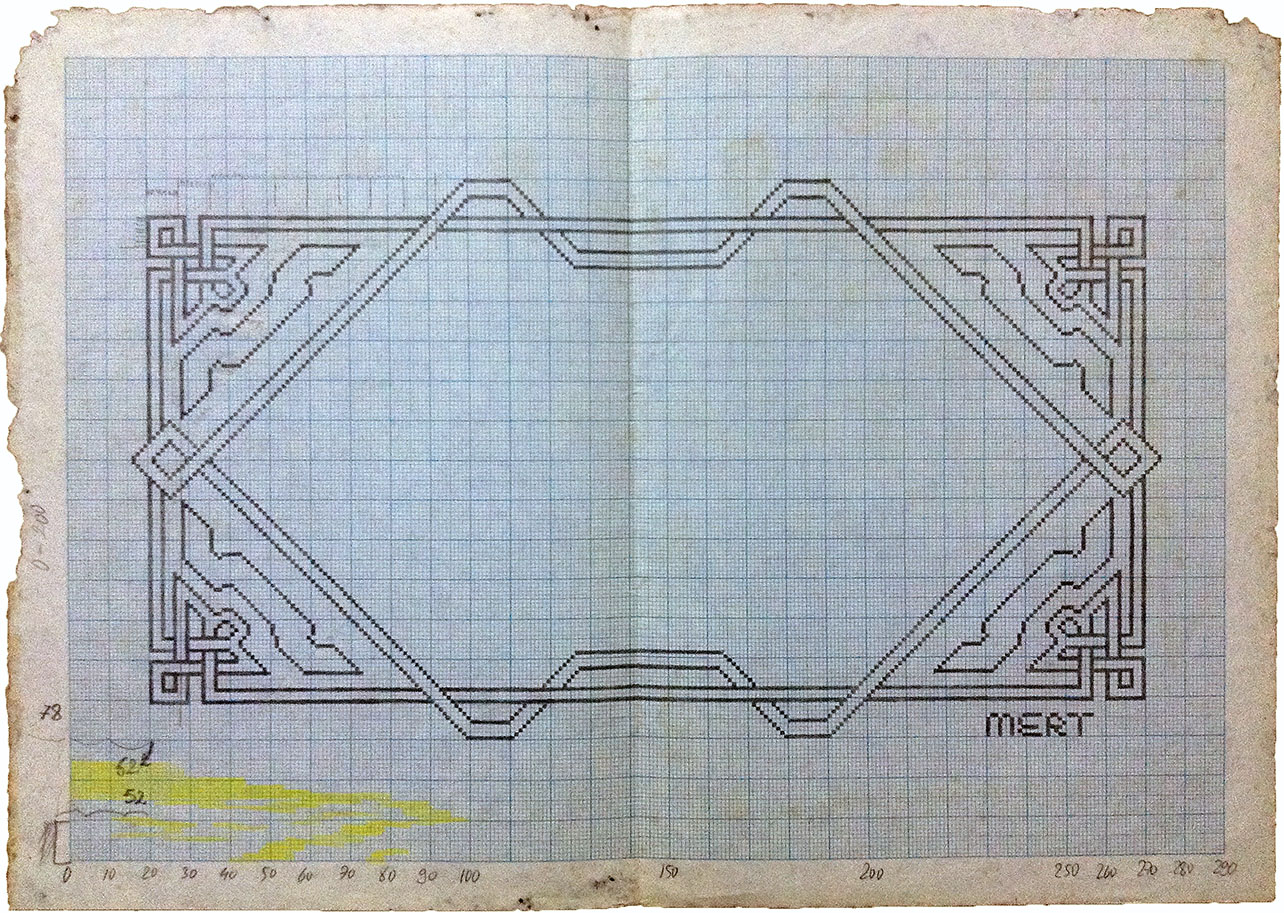
Sketch: “Title Screen Frame” (1985) – Outsourcing generic artwork to freelancers was a time/cost effective method for most game development companies. This is one of my “template” Sinclair ZX Spectrum title screen/menu frames that I designed for Ocean. I did it in a modular way, so that it can be precisely divided into 4 quadrants. Without saving the whole image, it can be easily regenerated from a single quadrant by flipping and copying in both x/y axis. A good example of memory efficient menu frame design.
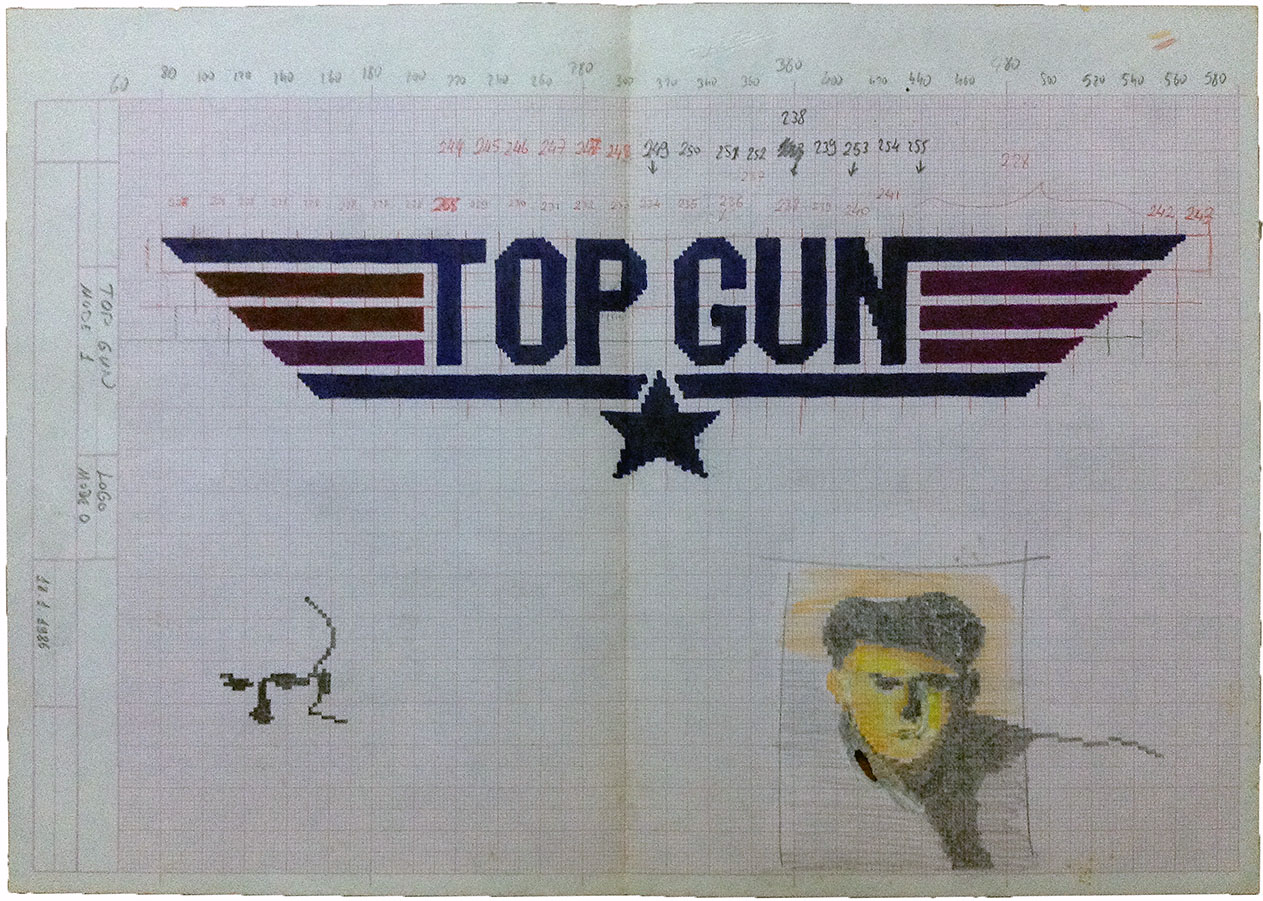
Sketch: “Top Gun” (1986) – The very first sketch of Top Gun logo and title screen. It was used as is on Ocean’s “Top Gun” release for Sinclair ZX Spectrum and Amstrad CPC. Below the logo, you can clearly see how I started sketching Tom Cruise using a very limited number of colour pencils for better Amstrad colour palette compatibility. The final version illustrating the famous Kelly McGillis and Tom Cruise pose was hand-delivered to Ocean. Greetings to Mr. Ronnie Fowles for his great multicolour Mode 0 conversion on Amstrad CPC loader screen.
Sketch: “Wec Le Mans” (1986) – Speaking of car racing games, switching to a new colour palette and changing the billboards along the highway was a proven method for creating “new level” illusion! In order to simplify the process of developing rapid level/scene variations, I designed many generic billboards similar to this one, including a 4 colour Ocean billboard later used in “Wec Le Mans”. For conversion requirements, I was asked to design the Pepsi billboard to be compatible with both Sinclair ZX Spectrum and Amstrad CPC. – Apologies for the bad condition of this sketch. I am afraid, some parts of it has been eaten by Kiti, my guinea pig 😉
Sketch: “Lucky Luke” (1986) – This is the Amstrad CPC title screen that I designed for “Lucky Luke – Nitroglycerine”. Halfway through the development schedule, Coktel Vision decided to convert the game from Mode 1 to Mode 0. Due to time constraints, I preferred sketching 3 more Lucky Luke images from scratch, instead of converting this one. All published, except this one.
Beyond 8-bit
When I switched from 8-bit to 16-bit, using Deluxe Paint on an Amiga was a larger-than-life experience; something similar to driving a Rolls Royce maybe. Plenty of colours, crop tools, adjustable brush sizes, cycling colours, and no graph papers. More than a dream!
Today, I have the luxury of using a colour calibrated multi-touch Wacom Cintiq tablet. It is absolutely a “what you see/draw is what you get” experience. Truly way beyond painting pixels on a 4 MHz Amstrad CPC, but quite similar to Deluxe Paint when using it with Adobe Photoshop. – Well, at least for me.
No matter what kind of equipment I use, still stick to the 8-bit spirit within me. It’s not what you’ve got, it’s how you use it.
PART III
“Programming”
A subjective definition
Programming is black magic. It is the use of computational “powers” for selfish game development purposes. By definition, more close to heresy than engineering 😉
Joking apart, programming is the melting pot of game development. Just like cooking, it is more than mixing ingredients. Programming amalgamates different types of assets and makes them look as “one”, so that the game will be greater than the sum of its parts.
First things first
During the early 80s, we used to code a proof of concept (a working copy of game with dummy graphics) before doing anything else. Coding a working prototype was at the top of our to-do list. Even the game design phase was one step behind it. I know, it sounds bizarre today, but it was actually a way of ensuring gameplay quality and testing technical limitations at the very beginning of the project. We used to sit in front of the TV set for days, play with the proof of concept, add/remove features, and make it more modular so that we can come up with tweakable ideas here and there. Due to technical limitations of 8-bit home computers, we had to guarantee a smooth gameplay experience right at the beginning of the project.
“Theory without practice is unacceptable.”
Nowadays, this is considered wrong! Regarding huge development companies releasing AAA games with budgets soaring to multiple hundreds of millions of dollars, programmers meet and argue for weeks without writing a single line of code. They don’t start coding until everything is clearly written down on the game design document. Yes, this method certainly makes sense for some projects. However, no matter how many weeks you spend for writing a game design document, if your proposal doesn’t make sense in terms of programming, I’m afraid you have a big problem. I have seen many promising projects that looked super great on paper, but didn’t work at all. Speaking of video game development, theory without practice is unacceptable.
Double Trouble
Back in the good old days, we used to chase two goals for achieving a great gameplay experience:
Fun factor
Playability
Games with both factors maximized were considered “successful”. If you pay attention to 8-bit classics, such as Donkey Kong, Manic Miner, and Knight Lore, you’ll notice that there is something more than what you see on the screen. They’re addictive. Despite the aged chunky graphics, there is something special that makes us hooked on these games!
Yes, it is the precise combination of fun and playability.
“Above all, video games are meant to just be one thing: Fun for everyone.” – (Satoru Iwata, Nintendo CEO)
Even today, I stick to this formula. I try to design and produce games with these factors in mind. Sometimes, I’m criticized for making too much of these factors, which I really don’t mind at all. I know that it works all the time 😉
Nobody taught me how to write games. So, how am I so sure about these two relic success parameters?! What makes me think that this formula works even after 3 decades?
Well, let me tell you the whole story then…
The Age of Innocence
I started programming on a Sinclair ZX81. I knew that I had to go beyond BASIC, and start programming in assembly language. After realizing the fact that loading an assembler editor to a computer with 1K of RAM was almost impossible without a memory expansion pack, I switched to Sinclair ZX Spectrum with 48K of RAM. HiSoft Devpac assembler was my Swiss Army knife. I was finally able to write more larger and complex codes. After developing a few business utilities for TEPUM, the local distributor of Sinclair in Turkey, I deliberately decided to write games.
Due to lack of engineering and programming books in Turkey, I started disassembling games. Through reverse engineering, I learned that developing a great game required more than proficiency in Assembly language. I became aware of unorthodox programming methods for the sake of code size/speed optimization, and started developing awkward solutions to generic debugging problems, such as using a second Sinclair ZX Spectrum for instant disassembly, full memory dumping to ZX Microdrive cartridges, and disabling ROM page for more low-level control and free space.
The Power of the Dark Side
As I was very comfortable with reverse engineering games, some of my friends started asking me if I could crack this-and-that game, and add a trainer mode (with infinite lives) to it. It was a challenging request. I knew that it was immoral, as well as illegal, but couldn’t resist feeding my hunger for more information. Cracking speed loaders of Sinclair ZX Spectrum games could have been an opportunity for sharpening my skills. So, I said “Yes!”.
It was precisely the Spring of 1985 that I realized I was developing games as a day job, and cracking some other games as a night job – typical Dr. Jekyll and Mr. Hyde case!
Through cracking speed loaders of the original releases, I gathered invaluable information about low-level programming. Then, I started implementing custom loaders for my cracked ZX Spectrum releases. In order to build a good reputation in the warez scene, I wrote various less than 2K intros, and embedded them into my custom loaders. These were mostly tiny technical demonstrations showing off limited capabilities of the Z80 CPU, such as real-time game logo rotators, and silky smooth text message scrollers at 50Hz.
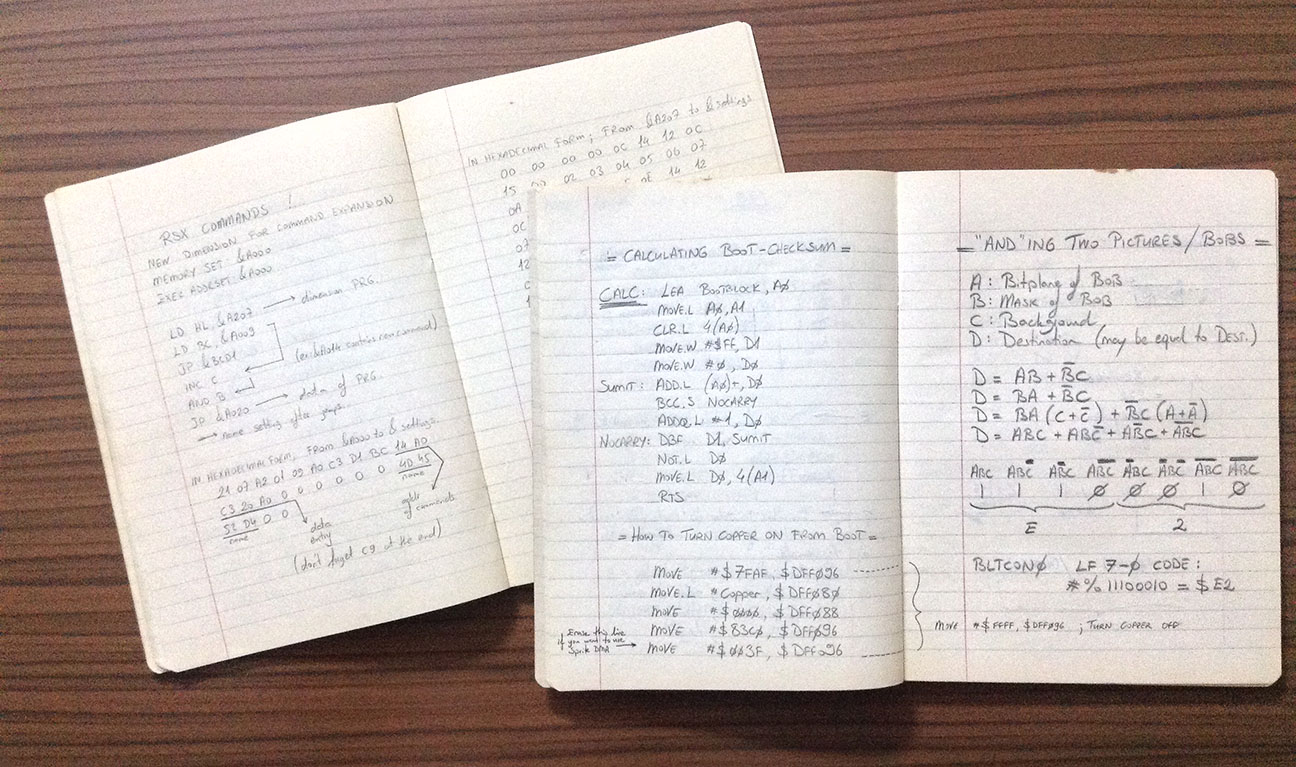
My Amstrad (left) and Amiga (right) assembly language programming notebooks
In less than a year, in addition to cracking ZX Spectrum games, I started distributing them as well. It was an opportunity for buying and cracking more games in return. The more I cracked, the better I coded. It was a true vicious circle! The best part of this mind jogging lifestyle was playing games. As a cracker, I had hundreds of games in my library. Inevitably, I used to play for hours and hours. I played so many games that I started taking down notes about my gameplay experience and keeping a list of the things that I liked/hated. In a way, it was DOs and DON’Ts of game design and development. Priceless information! – In addition to these notes, I also wrote down my reusable subroutines and generic piece of codes. A personal database, if I may say so. I still keep those notebooks for nostalgic purposes 😉
[ Although keeping a notebook may sound a bit old school today, actually I still stick to doing so. Instead of working in front of the computer for many hours, I do most of the work on paper, as I sit back at a café and enjoy the sun! ]
Goodfellas…
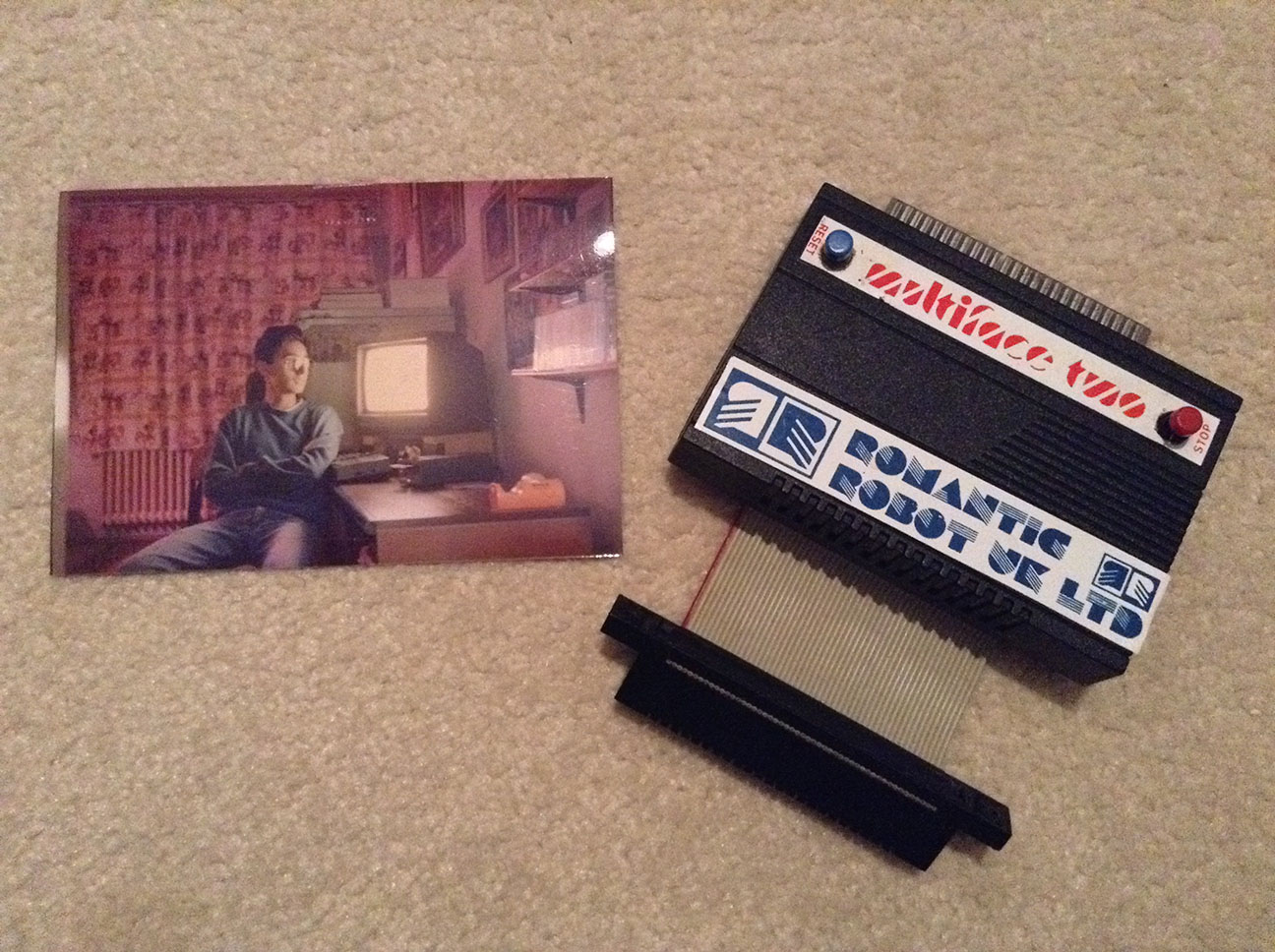
When I switched to Amstrad CPC 464, one of the first things that I did was buying a Romantic Robot Multiface II. Regarding the extra 8K of memory on this device, it was possible to load the dissassembler to Multiface II and get a total of 64K free memory on the computer! This was the opportunity that I was looking for since the days I had used Sinclair ZX81. As a developer, I was finally able to dedicate the whole memory to my games. So, I started using various techniques for developing better games, such as switching 16K banks, off-screen scrolling, and double buffering. Although Multiface II was designed to be a game copier device, I preferred using it as a debugging tool.
[ Despite the general consensus, you weren’t allowed to run dumped copies with anyone else’s machine. Multiface II was copy protected! ]
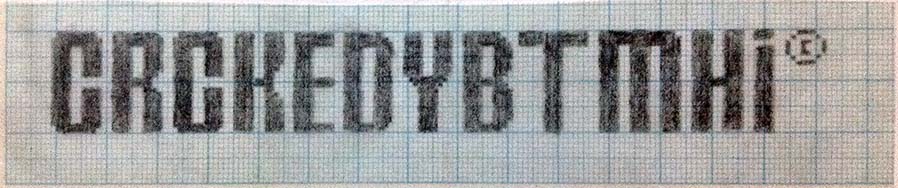
Speaking of the dark side, I kept on cracking and distributing games; this time for the Amstrad CPC scene! I wrote various checksum protected custom loaders for my cracked Amstrad releases. Lamers couldn’t crack them, naturally. They simply tape-to-tape copied and released them as they were, including my new intros. In a way, they spread the word for me. Through modifying Amstrad games by adding trainer modes and embedding intros, I became so popular that consumers started asking if the game had [cracked by matahari] logo on the game, before buying it. A seal of approval!
This is the original font that I designed for the logo. It became more and more popular with each release that I cracked and distributed, as it finally turned into my trademark. – OMG, it’s totally unleashed now 😉
The Summer of 1988 turned out to be the peak of my underground career. With the help of a true friend, we dominated the whole local Amstrad CPC game distribution channel. As a result of this fruitful collaboration, my cracked releases were everywhere!
[ Don’t worry, I’ll go into details of that period in an another article ]
So, what the fuss?!
Even after all those years, I can justify the benefits of “disassembling”. To be honest, I wouldn’t be who I am today if I hadn’t cracked games. Today, reverse engineering is a proven method for sharpening programming skills. A piece of cracked code can offer more hidden gems than a technical reference book. – Give it a try, you’ll not be disappointed.
However, a game is more than bits and bytes. Developing a good game requires more expertise than coding subroutines and pushing pixels on to the screen. Many people can show you the technical aspects of developing games, but no one can teach you how to write a great game. I’m afraid, you have to do it by yourself! Play as many games as you can. Concentrate on the gameplay, feel the tension, and analyze the experience you had. Keep a notebook, and take down notes about these analyses. Frequently, review you notes. The more you do this, the more you develop a sense of good and bad. And, that is what I did over the years. – Oh, does that make me a great game developer? Do I really know everything about writing GREAT games? Absolutely not!
I simply know what not to do.
“To know what you know and what you do not know, that is true knowledge.” – (Confucius)
Privacy is everything
During the 80s, I was a humble programmer. With the exception of my family and a bunch of colleagues, nobody was aware of the things that I had been doing for the British game development industry. Unless necessary, I have never exhibited my talent. Even today, I still take advantage of privacy. No publicity, less headaches, more freedom 😉
“The Wise Man chooses to be last, and so becomes the first of all; Denying self, he too is saved.” – (Lao Tzu)
It is also worth mentioning that, I have never been a member of a cracker/scener group. I worked alone. Due to contradictory condition of being both a member of the game development industry and the warez scene, I took a vow of silence and kept things to myself.
What about today?
I stopped all my warez activity in 1990. Since then, I don’t do illegal stuff anymore. No more cracking, no more illegal game distribution… Period.
Alas, still programming video games! I have so many things to learn, and to do. As a programmer addicted to game development, this is a never-ending journey. No time for retirement.
Closing words for Programming
After 30+ years of programming, my perspective towards coding has evolved in a very positive way. For me, programming has become more than engineering; something more close to art!
In case you wonder, let me tell you why…
Independent of programming languages used, programmer creates mathematical patterns using a set of pre-defined building blocks; commands, keywords, opcodes, etc. When we decompose a video game, we can see that it is made up of various complex patterns.
The interesting thing is, all programmers use the same commands, keywords, opcodes, and somehow come up with uniquecode patterns. Just like poetry, literature, music, painting… you name it, where the artist uses a limited number of elements (words, notes, strokes, etc.), and comes up with unique patterns for expressing emotions.
Khayyám, Wordsworth, Pynchon, and Hemingway have one thing in common; they all have an understanding of life through art. What makes these people so great is, not because they are genius in mathematics, but because they are capable of expressing emotions using mathematical patterns in a way that common people can understand and appreciate both.
From my point of view, a good game developer should be doing the same thing! – Well, if a video game is all about creating an emotional experience through various mathematical patterns, am I asking too much?
“A mathematician, like a painter or poet, is a maker of patterns. I am interested in Mathematics only as a creative art.” – (Godfrey Harold Hardy, mathematician, University of Cambridge)
All right… ALL RIGHT!
I’ll cut the crap, and go back to the 80s as promised. 😉
PART IV
“Audio / Sound FX”
More than Chiptune
There are thousands of webpages dedicated to chiptunes produced on 8-bit home computers. If you are interested in retro computer music, I’m sure you have already visited some of these websites, listened to your favourite game tunes, and most probably downloaded them as well. Catchy tunes, earth shattering C64 basses, creepy Spectrum buzzings… I think, we all agree that 8-bit era audio was made up of 3-channel tracker music using “eerie blips-and-blops”.
– “So, 8-bit audio simply means chiptune, right?”
– “Partly true, sir!”
During the early 80s, besides simple waveform generating chips that started chiptune craze, we had sample playback technology as well. Not mentioning the holy-mighty-worthy SID and enormous variants of AY/YM chips, even the humble buzzer of Sinclair ZX Spectrum was capable of playing samples. And yet, sample playback technology was the most underrated aspect of 8-bit audio. Yes, it wasn’t up to today’s standards for sure, but it was better than having nothing!
In terms of gaming experience, it’s worth mentioning that “Ghostbusters” (Activision), “Impossible Mission” (Epyx), “A View To a Kill – James Bond” (Domark), and almost all CodeMasters releases made a real difference thanks to surprising samples embedded within them. “Robocop” (Ocean) and “Jail Break” (Konami) raised the bar so high that, sample playback technology justified itself being restrictively available for 128K versions of games. – Pride of an underrated technology!
Under the Hood
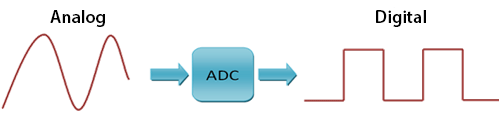
So, how did these companies sample those speeches? You need a piece of hardware that samples your analogue voice and converts to digital using n-bits, right? Simple!
Here comes the tricky part… Do you know any Analogue-to-Digital Converter (ADC) expansion device (similar to Cheetah Sound Sampler released in 1986) for Sinclair ZX Spectrum or Commodore 64 available in 1982?
I am afraid, there was no such device. – So, how did they do it?
Well, most of the time, huge game development companies of the early 8-bit era (Imagine, Melbourne House) used inhouse designed proprietary hardware. These were simple Analogue-to-Digital converter boards inserted into expansion ports of 8-bit home computers. Due to complexity and immature nature, only a few number of employees were allowed to use these special devices.
The 2nd option was getting in contact with ESS Technology, a multimedia company offering electronic speech systems. It was founded in 1984. Same year, both “Ghostbusters” (Activision) and “Impossible Mission” (Epyx) successfully demonstrated that Commodore 64 can actually speak, thanks to an expensive license agreement with ESS Technology.
Last but not least, there was an easier –and cheaper– way of dumping samples into an 8-bit home computer, that many people weren’t aware of… Connecting a ZX Interface 1 fitted underneath a 48K Sinclair ZX Spectrum to a professional audio sampler through the 9 way D type RS-232 serial port connector. – (Huh?!)
During the early 80s, professional audio samplers were widely available in high-end music studios in UK. E-mu Emulator (1981), Fairlight CMI (1979) and Synclavier (1977) were the kings of 8-bit sample era. It was quite easy to hire these VERY expensive devices for a few hours. All you had to do was; ask for a rendez-vous, bring your computer to the studio, sample your speech/music via mighty sampler, connect your computer to the serial port of that sampler, set the baud rate, dump raw 8-bit data within minutes, save it to a disk/cassette, and pay a few £££ for each hour you’ve been there. – Well, that was the easiest part!
When you’re back home, you had to handle the task of squeezing 8-bit sample data to a much lower quality. – (You’re not going to use the whole 64K of memory for a few seconds of speech, right?) – Depending on the number of volume envelope steps available on the sound chip, decimating the sample rate from 17 kHz to 4.7 kHz, and reducing the bit depth from 8-bit to 5-bit would be OK… But how?
Well, that’s the tricky part. You had to know how to downsample, and write a piece of downsampling code in Assembly Language for the humble Z80 CPU. – (Remember, we’re in 1982. No sample editing tools available, yet.) – And, that was simply what I used to do for pocket money during the early 80s. I was in touch with a few game development companies that would literally give an arm for that piece of code. 🙂
“Scientia potentia est – [Knowledge is power]” – (Sir Francis Bacon)
In-Game Usage
Using samples in games wasn’t limited to speech, for sure. It was possible to use musical instrument sounds as well; mostly drum samples. Although a few games tried to use kick (bass drum) samples on menu/title songs, using this trick during gameplay was technically an expensive approach on 8-bit computers. CPU had to take care of the meticulous process. Computer was literally halted until the playback was over. In other words, gameplay had to freeze during the sample playback. – Impractical? Well, not for “The 5th Axis” (Loriciels) programmers! This game certainly demonstrates a clever way of sample playback usage during gameplay.
This limitation was naturally history, when multi-tasking Amiga came up with DMA (Direct Memory Access) driven custom sound chip; Paula. In regards to making sound sample playback without CPU intervention possible, Amiga opened the gates of 4 channel 8-bit sample playback era. It was finally possible to play any sound sample you like during the gameplay, with no hiccups at all.
With the introduction of Amiga 500 in 1987, using sound samples in games became an industry standard. The days of chiptune blips-and-blops were gone. Game developers became more interested in visiting music studios and using pro-audio equipment. It was a next-gen game development era full of hunger for new tools. In other words, a new opportunity for multidisciplinary video game developers, like me.
Regarding the announcement of Sound Blaster audio cards for PCs in 1989, sample playback technology became more than essential for game development. Thinking of the advanced specs, such as 23kHz sample playback, AdLib-compatibility, and MIDI, these were quite affordable cards. – Oh yes, I bought one!
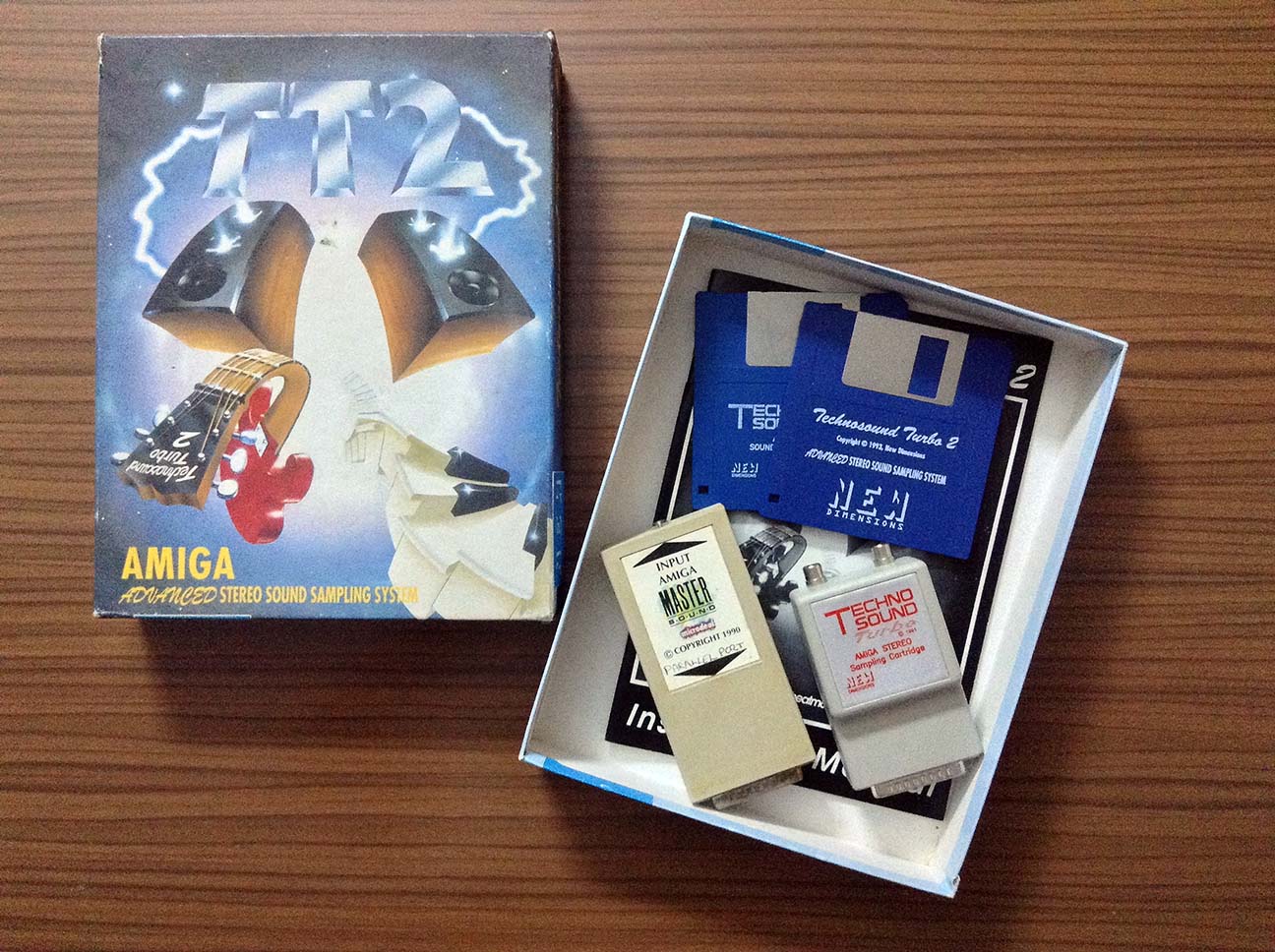
In 1991, I decided to upgrade my modest audio tools to a higher level, for the sake of Core Design projects that I was involved in. I sold my noisy Sky Sound Sampler that I used during the development of “Paradise Lost”, and bought 2 brand new samplers for my Amiga:
In addition to these samplers, I bought simply one of the best synthesizers ever produced – a Roland JD-800. It was –and still is– an extremely programmable and a great sounding digital synth with incredible flexibility and control, not mentioning the hefty price! – (A few years later, I bought the rackmount version as well, Roland JD-990. Still regularly using both in my studio.)
As expected, combining high-tech gadgets with old school game development techniques led me to new Amiga and PC game projects. Can you imagine what you could do with an Amiga fully loaded with two samplers, and a PC expanded with a Sound Blaster card that is MIDIed to a Roland JD-800 synthesizer, in 1991?
Many people believe that video game developers earn millions, live in Hawaii, drive a Ferrari, and date Victoria’s Secret supermodels. Well, maybe some of my colleagues do… Not me, for sure.
“Hey, where are the supermodels ?!”
Contrary to popular belief, career in video game development is full of challenges. Besides dealing with coding hurdles and release date stress, where time is your enemy in both cases, you need to handle egocentric teamwork meetings while keeping an eye on the tight budget. If that is not enough, you need to refine your skills forever and ever to make sure that you are keeping up with the latest technological achievements, even before they are released. – “Hey, where are the supermodels?!”
Despite all challenges, a game developer’s life is actually more upbeat than speculated. Forget about all the challenges for a minute; the best part is the necessity of refining skills. When you keep on sharpening your technical/artistic skills, you’ll have a chance of tweaking industry standard workflows. With every tweak, you’ll add a bit of haute couture touch both to the project you’re working on, and to your signature development methods. The more you sculpt a unique style, the more you stand out from the rest. And, that makes a real difference, by all means.
Education necessary?
Most preferably yes, but not essential. I studied both Science and Arts, but have always considered myself an autodidact– a self-taught person. Nobody taught me how to develop video games! Through rewarding self-discipline skills, studying various topics in Mathematics, Physics, Architecture, Sculpture and Philosophy helped me to increase self-knowledge and unleash my creative potential. I’m an advocate of the mantra, “never stop learning.”
Regarding the opportunity for learning new tricks, a new video game project still makes my heart beat like a butterfly, even after 30+ years of active coding. – I keep the spirit alive!
“Self-education is, I firmly believe, the only kind of education there is.” – (Isaac Asimov)
Manners Maketh Man
Video game development is challenging, sore and tough. Doing video game business is worse!
Because of cheap and dirty business tricks that you are not familiar with yet, your heart can be easily broken. You may lose self confidence by getting discouraged, no matter how talented you are. Misery plagues creativity! When days turn into nights, melancholy takes over. Then, your talent starts to fade away. At the final phase, you start asking yourself “What have I done to deserve this?”, and the more you question your manners the more you lose self confidence. A perfect vicious circle! – Yep,I’ve been there. I know what I’m talking about.
No worries! It’s not your fault.
Unlike typical businessmen -underestimating your skills in a hot meeting, while puffing the fume of an expensive cigar right into your eyes- game developers are artists. I’m afraid, raw capitalist tricks work on us, simply because we are fragile.
Here is the cure… Act by the book! Follow the unwritten rules and guidelines of professionalism, and be happy 😉
Develop a thick skin.
Be prepared for the worst.
Settle with “less”. – Less is more.
In case of failure; get angry, not sad. Stand up and fight!
In case of criticism; embrace it. It is a chance for sharpening your skills.
Be good at what you are doing, not the best! Best kills creativity, and feeds pride.
You better be really good at what you are doing!
For starters, spend some time with experienced game developers. Speak less, listen more, show respect, and be gentle. Pay attention to how they tolerate mistakes. It is mistakes, that makes an artist a better one. Good artists are well aware of it, most probably you are not. That makes a difference!
“Creativity is allowing yourself to make mistakes. Art is knowing which ones to keep.” – (Scott Adams)
Knighthood served as a “Free Man”
I have always been a freelancer; a “free man” with no chains tied to a game development company/publisher. I had the chance of picking the projects I wanted, working with people I liked, and always preferred creativity over materialism – Free as a bird!
Sounds too good?
Actually, it is a state of nirvana, that comes with a few costs!
Expect to work harder than full-time developers – You are a marathon runner, not a nine-to-fiver. Be prepared to work more than 10 hours a day.
“There is no substitute for hard work.” – (Thomas A. Edison)
Invest in yourself – Besides work, make some time for reading something “new”. Never underestimate the advantage of using latest technologies. Keep sharpening your skills regularly, and be ahead of full-timers.
“Give me six hours to chop down a tree and I will spend the first four sharpening the axe.” – (Abraham Lincoln)
Expect no respect from full-time developers – They are going to hate you! Simply because, you have already become what they want to be. – You have achieved the goals of becoming a “free” game developer. You are no more afraid of taking risks. You have right to say “No!”. Your talent is appreciated. And, you are well paid… Enough number of reasons to attract hatred. So, be a professional by getting prepared for a bunch of miserable/jealous full-timers gathered around a meeting table. Do not let the meeting room turn into a battlefield. Take control of the conversation by tolerance. Make sure they understand that you could have simply become one of them, if you hadn’t taken the risks!
“Go up close to your friend, but do not go over to him! We should also respect the enemy in our friend.” – (Friedrich Nietzsche)
Expect no credits – None at all. If you are well paid and your work is appreciated, this is all you’ll get for a long time. Within years, you’ll start getting credits for your work, for sure. However, you better accept the bitter truth that you’ll never get the same “fame factor” that full-timers do. Full-time dedication to a single developer/publisher is always rewarded with full credits. I am afraid, this is how it works… As a result of your anonymous contributions; you will not be famous, you will not be invited to release parties, and you will be purposely excluded from development team photos. Most embarrassingly, your existence will be denied while your work will always be remembered! – It’s easy to deal with this case; don’t confuse fame with success. For me, success is happiness.
“Fame is the thirst of youth.” – (Lord Byron)
Expect no money – At least for now! You’ll make plenty of money, soon, but this shouldn’t be the ultimate motivation of your career. Game development is all about “passion”. A passion for coding challenges, artwork challenges, teamwork challenges, and even more challenges that you do not expect at all. Keep in mind that you are solving technical problems for the sake of art. It is 100% fun! – In return, you’ll get paid for it, sooner or later.
“A wise man should have money in his head, but not in his heart.” – (Jonathan Swift)
Despite all psychological threats above, working in video game industry as a freelancer is the best way to serve and survive. Swimming with sharks in a pool will keep you prepared for anything. Contrary to full-time workers, take advantage of your freelance position; free your mind, be creative & productive, and dominate the pool. – In case you need Plan B, enjoy the luxury of switching to an another pool 😉
Beyond Barriers
Many people assume that living in Istanbul (Turkey) as a freelance game developer and doing business with international game developers/publishers would be the hardest thing to do. I hear, “But, you’ve got to be there!” kind of buzz all the time. – Actually, not at all. In addition to overcoming cultural complexities, living in Istanbul as a freelancer and doing business with international game developers/publishers has always been the smoothest part in my workflow.
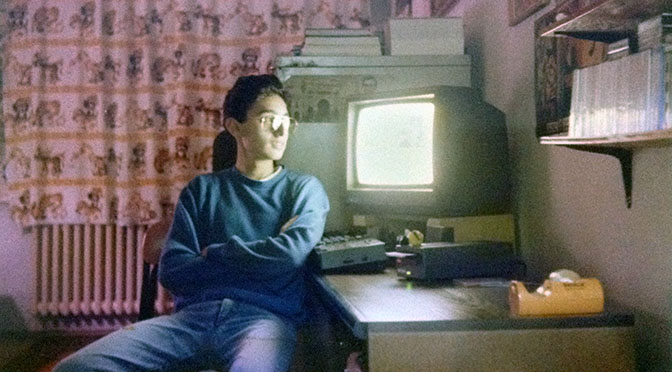
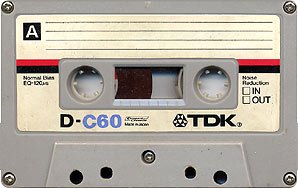
Even back in 1984, it was a no-brainer process. Before our local post office had a fax machine for hire, I used to contact people by writing business letters and sending them my codes/artwork on cassette tapes. Yes, it used to take 2 months to get a reply from UK, but that was the way how business was done in those days! – Worth waiting every minute for, actually. Each and every day I used to ask mom if the postman had delivered something for me; an acceptance letter, a cassette tape with my next project specifications on it, a new release with my code/artwork in it, or a paycheck preferably.
When I started working in UK, things changed entirely. Peaceful days were gone. Never-ending meetings, heavy ego traffic, more chat, less work, and unsuccessful management tricks adding insult to injury by causing more stress as we get close to the release day! Yep, usual game development company stuff, same even today. 😉
Take my word for it! Get rid of unnecessary distractors. If you are self-disciplined and well-organized, nothing compares to working at home as a freelancer. Today, we have e-mail, video conference and more than anything we need at our fingertips. Easier and faster than ever. Never mind the distance, focus on the business! Sharpen your skills. If you are really talented at something, there is simply no barrier for doing business globally.
The barriers are not erected which can say to aspiring talents and industry, “Thus far and no farther.” – (Ludwig van Beethoven)
One final word, young man… Keep in touch!
A lot of things have changed and evolved during the last 3 decades of game development, except one thing; the necessity of keeping in touch with your contacts! If you’re in entertainment business, keeping your relations alive is everything. – Sounds easy, but is actually hard to do.
Speaking of my latest video game development project, yet an another milestone achieved. – Quite a tough one, indeed!
But first, please allow me to focus on some of the very basic mathematical logic definitions heavily used in software engineering, so that we can clearly understand what’s going on under the hood of a decent game development process.
Don’t worry, it’s not rocket science 😉
Some theory
All video games have gameplay mechanics based on logic. A game is “a set of story driven goals to achieve” from a programmer’s perspective.
When you open a chest, solve a puzzle or kill an enemy, you are actually triggering a logic unit that is predefined within the game code. Depending on game’s technical requirements and gameplay complexity, there can be thousands of these units forming a web of logic units.
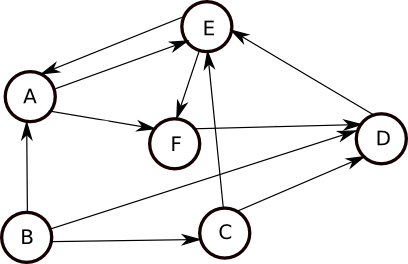
Game programmers tend to use graph theory for defining and coding logic units. Each unit is symbolized with a simple geometric shape. A box, a circle, anything… And these units are connected to each other with links.
“Logic units” (nodes) represent tasks that the player will perform.
“Links” (lines) represent the relationship between the logic units.
Behaviour Analysis
A node graph architecture is almost identical to an electronic circuit. When you start executing a node graph code, you are actually branching from one component (node, in our case) to an another by the rules you’ve set for the logic units, just like electric current flowing from a resistor to a capacitor. And, as you can guess, this type of signal flow is 100% linear.
When the player accomplishes a task, the node related to that event will be “expired”. In other words, it will be dead. Expired nodes cannot be resurrected. Once they’re done, they will be ignored (skipped) during code execution, forever. – Which is unlikely in electronics! An electronic component, such as a resistor, a diode, etc. cannot be conditionally turned on/off.
Back to 2002 for a “classic” implementation: Flagger
During the “Culpa Innata” development sessions, we precisely knew that we needed a node graph architecture for handling game’s complex execution flow. Many discussions were held on the method of implementation. All members of the core management & development team were expert electric/electronics engineers with no experience in video game production [Reference], but me! As a video game programmer, my perspective towards node graph theory was naturally very different, contrary to their classical approaches. I wasn’t thinking in terms of voltage, current, etc., but focused on just one thing: optimized code execution.
Thanks to my Zilog Z80 and Motorola 68000 assembly language programming background, I offered the term “Flag” for the base logic unit (node), and teamed up with Mr. Mete Balcı for 3 weeks. In December 2002, we developed a tool called “Flagger”.
Pros and Cons
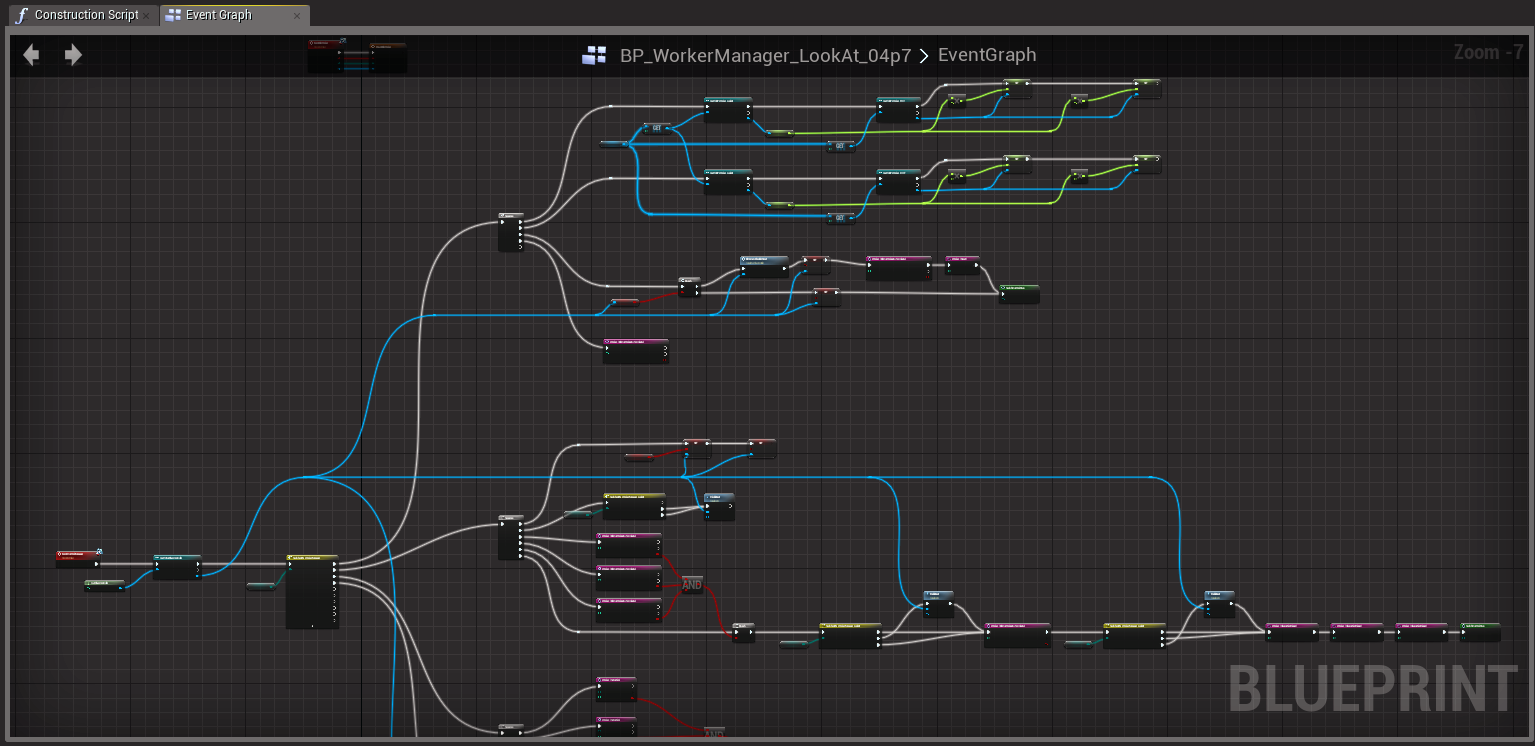
Flagger was a C++ code generator with a very handy visual interface similar to UE4’s current Blueprint approach. Using Flagger, we were able to add nodes, connect them to each other, program the logic behind the nodes/links, and even take printout of the whole node graph scenario. When the visual logic design process was over, it was just a matter of selecting “Generate C++ code” from the menu, and source code was generated within minutes.
Over the following years, Flagger evolved into a more sophisticated development tool capable of handling various scenarios. Although it was a very handy tool and saved many hours during “Culpa Innata” sessions, there were a few problems with the classical node graph theory that the implementation was based on;
Flags were single threaded. Only one node was allowed to execute at a time. No multi-threading.
Flags were expirable. When a task was done, related flag (node) was marked as “expired”, not deleted for the sake of logic integrity.
Flags were not reusable. Once they were expired, there was no way of resurrecting them. – Inefficient memory usage, thanks to hundreds of expired nodes.
Flags were heavily loaded with variables. Too many dialogue related “customized” variables were defined for special cases (exceptions). – Inefficient memory usage, once again.
Flag execution flow wasn’t well optimized because of node-tree search algorithm. The more nodes we had, the longer it took to accomplish the search.
Flag execution was linear. When a node was expired, the graph code was first searching for related nodes and then retriggering the whole diagram from the beginning, like an electronic circuit simulator. – Well, that was ideal for modeling a circuit, not for developing a video game!
A Modern Approach: 3-bit Worker!
13 years later, I have once again found an opportunity to dive into node graph theory, and just completed implementing a new architecture for my latest video game development project. Unlike Flagger, it is something extraordinary! It is very… atypical, unconventional, unorthodox… Well, whatever… You got it 😉
First of all, it has nothing to do with classical electric/electronic circuit theory. This time, I’m on my own, and approaching the problem as a software engineer. Everything I designed/coded is based on game requirement specifications. In other words, it is implemented with “practical usage” in mind.
I have defined the basic logic unit (node), as a “worker”. – (Due to functional similarities, I simply borrowed this term from Web Workers.)
A worker is a background task with adjustable priority settings. It performs/responds like a hardware interrupt.
Each worker is multi-threaded.
Depending on conditional requirements, a worker can expire and/or live forever. If expired, it can be resurrected and/or reinitialized, while preserving its previous state. So, a worker is a 100% reusable node.
Each worker uses only 3-bits! No additional variables, no references, nothing else. – (If necessary, a worker offers flexible architecture for additional variables. However, I find it totally unnecessary. 3-bits are more than enough!)
Inherited workers don’t need additional logic variables. All child workers share the same 3-bit information that they inherited from their parents!
Each worker has a time dependent linear workflow. Just like a reel-to-reel tape recorder, it can be played, paused, slowed down, accelerated, fast forwarded, rewinded, and stopped.
Workers can be non-linearly linked to other Workers! Which means, node-tree search algorithms are no more necessary. There is no “main loop” for executing nodes! Code execution is pre-cached for optimum performance.
Workers are optimized for event driven methodology. No matter how many concurrent active workers (threads) you have in the scene, there is practically no CPU overhead. Ideal for mobile scenarios.
Workers are managed by “Managers”. A Manager is inherited from base Worker node. So, any worker can be assigned as a Manager.
Workers can communicate with each other and access shared variables via Managers.
Whole architecture is 100% platform independent. For a showcase, I’ve implemented it for Unreal Engine 4 using C++ and Blueprints. It can easily be ported to other game engines; such as Unity, CryEngine, etc.
And, most important of all, everything is meticulously tested. – It’s working as of today 🙂
Any drawbacks?
Sure… Due to complexity of comprehending “a set of non-linearly linked time dependent linear nodes”, debugging can be a nightmare. As always, designing simplified and organized logic sets reduces potential problems. – I keep my logic sets neat and tidy 😉
So, what’s next?
Well, to be honest, since all theoretical stuff is done, I’ll switch to game content development. I am quite sure that I’ll keep on adding/removing things to my 3-bit node graph architecture. I will keep on improving it while preserving its simplicity, for sure.
“It is vain to do with more what can be done with less.” – (William of Ockham)
The new video game project that I started working on a year ago, precisely, is going great! With respect to maintaining confidentiality, I still can’t share specific details with you, but I am more than happy to say that everything is going on “as planned”. – Something quite contrary to the nature of game development in general 😉
One for all, all for one
As the co-producer of the project, I have many responsibilities in addition to the usual things that I have to do. Game design, story development, programming, conceptual artwork design, 3d modeling, texturing, music production, etc. Although sounds like a one-man-army project, actually it is not.
“Only one artist takes all the responsibility…”
In order to preserve game’s artistic style, it is quite normal that only one artist takes all the responsibility of designing & planning everything, and making sure that things will be kept/done in that way. And, this is exactly what I am doing nowadays. – (At one point, we will have developers and artists contributing to the project, naturally. Until that moment, everything must be “well-defined”.)
Coding
Instead of creating detailed game design documents, some game development projects begin with “conceptual coding”. Same goes for this project. Contrary to traditional game development workflow that begins with documenting the game design, I decided to start with implementing a proof of concept.
Similar to LEGO building bricks, I have been coding fundamental elements of “gameplay”. As a result of these coding sessions, I have clearly envisioned a number of next-gen features that can possibly enrich our game.
We are currently evaluating the options. When the gameplay implementation is over, I’ll go back to game design document for sure. – (Yes, I know that it sounds a bit unorthodox, but I have my reasons. Sometimes it’s good to break old habits for the sake of creativity. In this game, I will let “gameplay” define and drive the game design!)
Spinners and Probability
Coding is all about making decisions. Getting your hands dirty in Mathematics has always been rewarding. Going back and forth between Calculus and Geometry is more than a stellar experience. Not because it makes you a better programmer, but simply because it turns you into a “wise decision maker”.
In terms of design and implementation, this game development project is full of complex decisions. Thankfully, “coding” is the glue between questions and answers. When used wisely, coding offers new ways of dealing with decisions that you derive from Mathematics, and this is exactly what I’m trying to achieve throughout this project.
Content is King!
I spent a lot of time creating a narrative hook, which I believe is the most underestimated element in today’s game design trends! With references from 16-bit retro gaming era, I am quite sure that a well-defined hook creates a huge impact on gameplay.
“Admittedly, I had to make 7 revisions for a ‘great’ hook…”
It was a tough job. In order to fine-tune the hook, I had to rewrite it again and again for many times. After each rewrite, I left it on my bookshelf at least for a few weeks, so that I can completely concentrate on other things as well. When I picked it up weeks later, I was objective enough to assess the tension and come up with fresh ideas. Each iteration added more flavour to the previous version. Admittedly, I had to make 7 revisions for a great hook, which later turned out to be “Level One”. – Worth every minute spent!
Hidden Treasure: “Workflow 2.0”
The most distinguishing element of this project is the optimized workflow that I have been working on as a side project for many years. Thanks to this workflow, our project will have the luxury of really dramatic cost savings, a more “talent oriented” development process, and the competence of keeping game design/style integrity throughout the development process.
So far, so good…
Still thousands of things to do, so I’m going back to work now.
Since the day I noticed his Star Wars, Alien and Predator sketches, I have always admired Tuncay Talayman’s artwork.
It has been a privilege –and a lot of fun– working with him during Culpa Innata development sessions (2001-2003). Even after all those years, his continuous passion for improving his techniques and seeking new ways of artistic expressions, still surprises me. The portrait below is one of them 😉
What a lovely surprise… Thank you very much Tuncay!
Recorded Live at the Halic Congress Center in Istanbul, Turkey over two evenings in March of 2014, Grammy and Golden Globe winning artist Kitaro‘s “Symphony Live in Istanbul” CD is announced!
Commenting on the groundbreaking event, Kitaro noted “I am extremely grateful that my dream of performing in Istanbul finally came true. It was a once in a lifetime experience and in addition to my many experiences; I met a host of great people from Istanbul and the neighboring countries. As a remembrance of my amazing music caravan and as a tribute to those I encountered along the way, I recorded this musical experience and performance as a CD. It is my gift to everyone, in Istanbul and around the world, to experience and enjoy.”
Thanks to once-in-a-lifetime concert experience we had in Istanbul, Börü family is more than happy to pre-order the album 🙂
[ Börü family at Kitaro’s “Live in Istanbul” concert ]
This album includes Kitaro’s Golden Globe award-winning theme from the Oliver Stone film “Heaven & Earth”, music from his critically acclaimed Kojiki album and “Silk Road” soundtrack as well as two compositions from his Grammy award-winning album “Thinking Of You”. New material includes a previously unreleased composition; “Kokoro – (Part II)”.
Looking forward to seeing Kitaro in Istanbul, again…
In the late 80s and early 90s, I was more than obsessed with fractals! Since the day I saw beautiful landscape pictures rendered with Vista on my humble Amiga 500, I was addicted to writing simplemathematical routines producing compleximages. The philosophy behind fractal math was based on “harmony of contradiction”. You may think of it as a mathematical case where “simplicity defines complexity”.
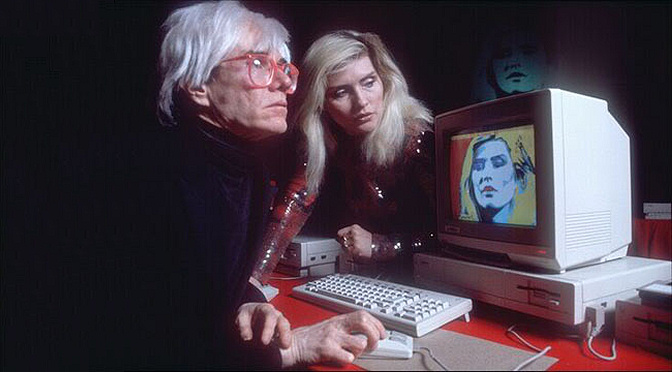
A dozen previously unknown works created by Andy Warhol have been recovered from 30-year-old Amiga floppy disks!
The art experiments were produced in 1985 by Warhol under commission from Commodore, creator of the Amiga computer. Commodore paid the artist to produce a series of works to aid the launch of the Amiga 1000, and this particular batch of lost Warhol works was created on it.

 more cost- and time-efficient,




 Even back in 1984, it was a no-brainer process. Before our local post office had a fax machine for hire, I used to contact people by writing business letters and sending them my codes/artwork on


 Similar to LEGO building bricks, I have been coding fundamental elements of “gameplay”. As a result of these coding sessions, I have clearly envisioned a number of next-gen features that can possibly enrich our game.